Source EU Plug Arcade Cable for Game Boards and Consoles
Source the eu plug arcade cable for coin pushers, fruit games, and Mario-style consoles. Compare 30 listings with copper and plastic materials, 110-220V voltage, and customizable lengths to find the right connection wire for your arcade setup; compare the available evidence and request quotations based on your requirements.
Key considerations
Products List





Comprehensive Sourcing Guide
EU Plug Arcade Cable Sourcing Guide
Sourcing EU plug arcade cables requires a disciplined approach to technical verification and supplier qualification, ensuring that components meet the rigorous demands of coin-operated gaming environments. Buyers must prioritize cables that support the specific voltage and current requirements of arcade consoles, particularly those operating on 110V to 220V systems common in European and international markets. The core challenge lies in identifying suppliers who can provide customized lengths and wire gauges while maintaining strict adherence to European safety standards. This guide outlines the critical steps for evaluating product scope, verifying technical specifications, and ensuring long-term reliability for arcade game maintenance and new installations.
Procurement teams should focus on cables that offer robust insulation materials such as PVC, rubber, or silicone, which are essential for withstanding the high-traffic usage typical of arcade settings. The interface type must be compatible with both AC and DC power supplies, depending on the specific arcade machine architecture. Buyers need to verify that the supplier offers customization options for plug shapes and interface types, as standard off-the-shelf solutions may not fit legacy or specialized arcade hardware. Understanding these technical nuances is the first step in building a reliable supply chain for arcade game components.
Product Scope and Observed Listing Signals
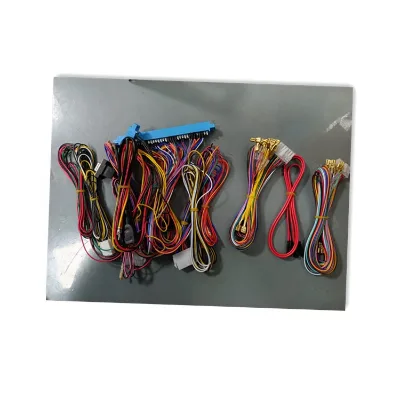
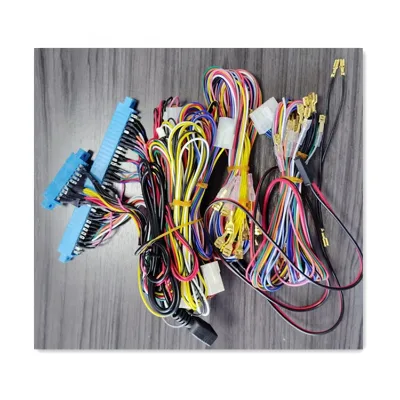
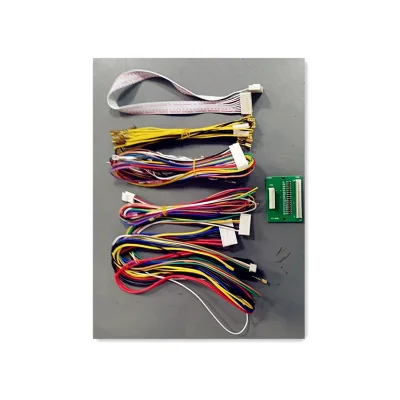
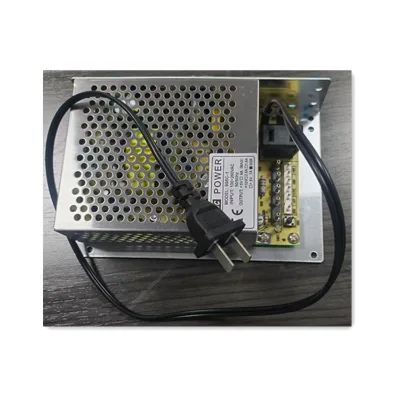
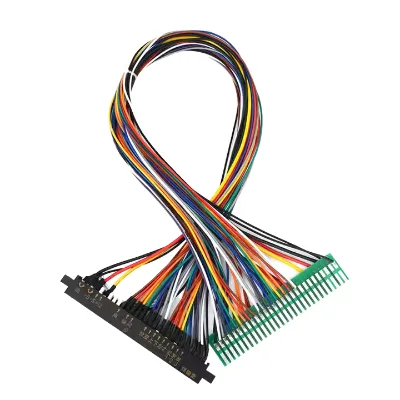
The current market for EU plug arcade cables presents a diverse range of products, with observed prices ranging from $0.01 to $1,995 USD, reflecting variations in material quality, length, and customization levels. Minimum order quantities (MOQs) typically span from 1 to 5,000 pieces, allowing buyers to scale orders based on their immediate maintenance needs or large-scale arcade fleet requirements. Listings often highlight specific model numbers such as DN-272, DN-205, and DN-263, which correspond to different cable types like slot card cables, game board cables, and fruit game cables. These model distinctions are crucial for buyers to match the correct cable to their specific arcade machine type, whether it is a coin pusher, arcade console, or video game PCB.
Observed product attributes indicate a strong emphasis on customization, with many suppliers offering tailored solutions for plug types, wire gauges, and cable lengths. The materials commonly cited include copper conductors combined with plastic or PVC insulation, ensuring durability and efficient power transmission. Buyers should note that single package sizes vary significantly, from compact 14x10x3.5 cm boxes to larger 65x7x13 cm packages, which impacts shipping costs and storage logistics. Understanding these listing signals helps buyers filter through the vast array of options to find products that align with their specific technical and logistical requirements.
Technical Specifications to Verify
When evaluating EU plug arcade cables, buyers must verify the conductor and insulation materials to ensure optimal performance and safety. The core conductor is typically copper, which provides excellent conductivity, while the insulation material is often PVC, rubber, or silicone, offering protection against wear and environmental factors. Buyers should confirm the wire gauge and length customization options, as these directly impact the cable's ability to handle the power load of arcade machines without significant voltage drop. The plug type must be strictly EU compliant, and the interface type should support both AC and DC connections, depending on the arcade console's power requirements.
Voltage compatibility is another critical specification, with most arcade cables supporting a range of 110V to 220V, making them versatile for international use. Buyers should also check the single gross weight and package dimensions to estimate shipping costs accurately, as weights can range from 0.3kg to 1.12kg per unit. The cable's application should be explicitly stated, such as suitability for arcade games, Mario games, or fruit games, to ensure compatibility with the target hardware. Verifying these technical details prevents mismatches and ensures that the purchased cables will function reliably in high-demand arcade environments.
Compliance and Safety Documentation
Compliance with European safety standards is non-negotiable for arcade cables, as they are directly connected to power supplies in public gaming areas. Buyers must request documentation confirming that the cables meet relevant European standards, such as the European Standard, American Standard, British Standard, German Standard, South African Standard, Italian Standard, and Swiss Standard. These certifications ensure that the cables are safe for use in various international markets and comply with local electrical regulations. The presence of CCC certification is also a positive indicator, suggesting that the product meets certain quality and safety benchmarks, although buyers should verify the specific scope of this certification.
In addition to standard certifications, buyers should inquire about adherence to IEC standards, such as IEC 60320 and IEC 60309, which govern connector and plug safety. These standards provide a framework for ensuring that the cables can handle the electrical loads and environmental conditions typical of arcade settings. Buyers should also verify that the supplier provides test reports or quality control records that demonstrate the cables' durability and safety. This documentation is essential for mitigating liability risks and ensuring that the arcade machines powered by these cables operate safely for end-users.
Cost Drivers and Commercial Terms
The cost of EU plug arcade cables is influenced by several factors, including material quality, customization level, and order volume. Buyers should expect price variations based on the wire gauge, insulation material, and plug type, with customized cables generally commanding higher prices than standard off-the-shelf options. Minimum order quantities (MOQs) play a significant role in pricing, with larger orders often resulting in lower per-unit costs. Buyers should negotiate terms that align with their inventory management strategy, balancing the need for stock availability with the desire to minimize holding costs.
Shipping and logistics are also key cost drivers, with options like DHL, FedEx, and UPS available for delivery. Buyers should consider the single gross weight and package dimensions when calculating total landed costs, as these factors directly impact shipping fees. Payment terms and lead times should be clearly defined in the contract to avoid delays in procurement. Buyers should also inquire about warranty policies and return procedures, as these can provide valuable protection against defective products. Understanding these commercial terms helps buyers make informed decisions that optimize their total cost of ownership.
Supplier Qualification and Quality Control
Selecting a reliable supplier for EU plug arcade cables requires thorough qualification and ongoing quality control measures. Buyers should verify the supplier's manufacturing capabilities, including their ability to produce customized cables with precise specifications. The place of origin, such as Guangdong, China, is a common hub for electronic component manufacturing, but buyers should still conduct due diligence to ensure the supplier has a proven track record of quality and reliability. Requesting samples before placing large orders is a critical step in evaluating the physical quality and performance of the cables.
Quality control processes should include rigorous testing for electrical conductivity, insulation integrity, and plug compatibility. Buyers should ask for detailed quality control reports and inspection records to ensure that the supplier maintains consistent product quality. Establishing clear communication channels with the supplier is essential for addressing any issues that may arise during production or delivery. Buyers should also consider the supplier's responsiveness and willingness to accommodate custom requests, as these factors contribute to a successful long-term partnership.
Long-Term Procurement Checks
Long-term procurement of EU plug arcade cables requires regular performance monitoring and supplier relationship management. Buyers should track the performance of the cables in their arcade machines, noting any issues related to durability, connectivity, or safety. This feedback loop is essential for identifying potential problems early and addressing them with the supplier. Regular audits of the supplier's quality control processes can help ensure that product standards are maintained over time. Buyers should also stay informed about changes in European safety standards and regulatory requirements to ensure ongoing compliance.
Building a diversified supplier base can mitigate risks associated with supply chain disruptions. Buyers should consider sourcing from multiple suppliers to ensure continuity of supply and competitive pricing. Regularly reviewing commercial terms and negotiating favorable conditions can help optimize costs over the long term. Buyers should also maintain open communication with suppliers to discuss future needs and potential product improvements. By implementing these long-term procurement checks, buyers can ensure a stable and reliable supply of EU plug arcade cables for their arcade operations.
FAQs
What is the minimum order quantity for these arcade cables?
The minimum order quantity is 30 pieces for the listed arcade cable products. This MOQ applies to items like the slot card cable and game board cable models. Buyers should confirm specific model requirements before placing an order to ensure compliance with supplier policies.
Which voltage standards do these arcade cables support?
These arcade cables support a voltage range of 110 to 220 volts. This dual voltage capability allows the products to function in various regions without needing additional adapters. The cables are designed to handle standard power supply requirements for arcade machines and game consoles.
Can I request custom lengths for the arcade cable connectors?
Yes, custom lengths are available for the arcade cable connectors. The product specifications indicate that length and wire gauge can be customized to meet specific project needs. Buyers should contact suppliers directly to discuss exact dimensions and any associated customization fees.
What materials are used to construct these arcade cables?
The arcade cables are constructed using copper conductors combined with plastic or PVC insulation materials. Some variants also feature rubber, silicone, or PE outer insulation for durability. These materials ensure reliable electrical conductivity and protection against wear in arcade gaming environments.
Which certifications do these arcade cable products hold?
The products hold CCC certification, indicating compliance with specific safety standards. They also adhere to multiple international standards including European, American, British, and German specifications. This ensures the cables meet rigorous quality and safety requirements for global arcade machine applications.
How are these arcade cables packaged for shipping?
Each item is packaged individually with a single package size of approximately 14 by 10 by 3.5 centimeters. The gross weight per package is around 0.6 kilograms. Shipping is handled via major carriers like DHL, FedEx, or UPS to ensure timely delivery to international buyers.
What types of plugs are compatible with these arcade cables?
The cables feature EU Plug types suitable for European power outlets. They are designed to connect arcade game consoles and power supplies effectively. The interface type supports both AC and DC connections, making them versatile for various arcade machine power requirements.